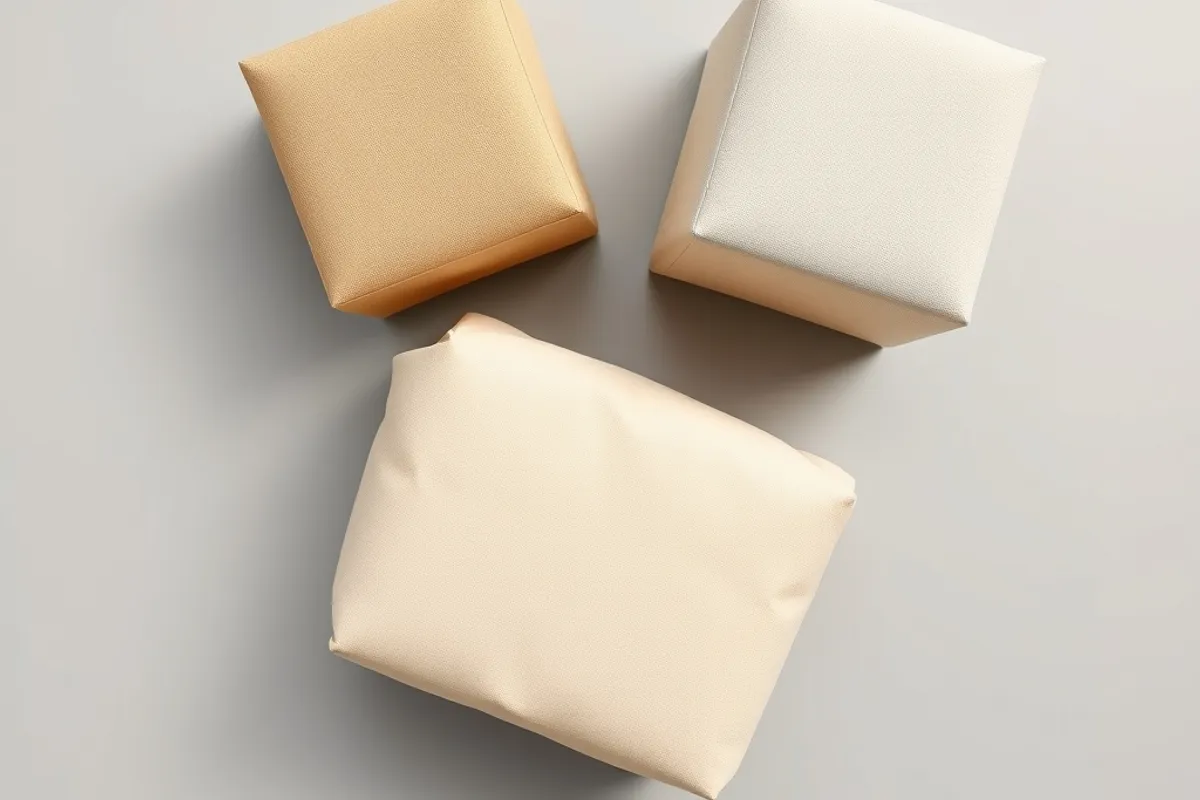
Why organisers help and why they can hurt
Packing cubes do not create space. They stop a bag from becoming a single pile, which means you can find a shirt without unpacking everything. That matters on a two-night stop when you open the bag on a bed that is also the only table.
The trap is buying a set of seven and then losing more volume to fabric and air gaps than you save. We tested four sizes in two cases and a backpack to find the useful middle.
The test
We packed the same week of clothing three ways: loose, with three cubes, and with five cubes plus compression. We timed each pack and each unpack, and measured how much of the bag was still free at the end. We then lived out of each version for three days.
The full kit is listed in the backpack tests, since the bag and the cubes have to work as one system.
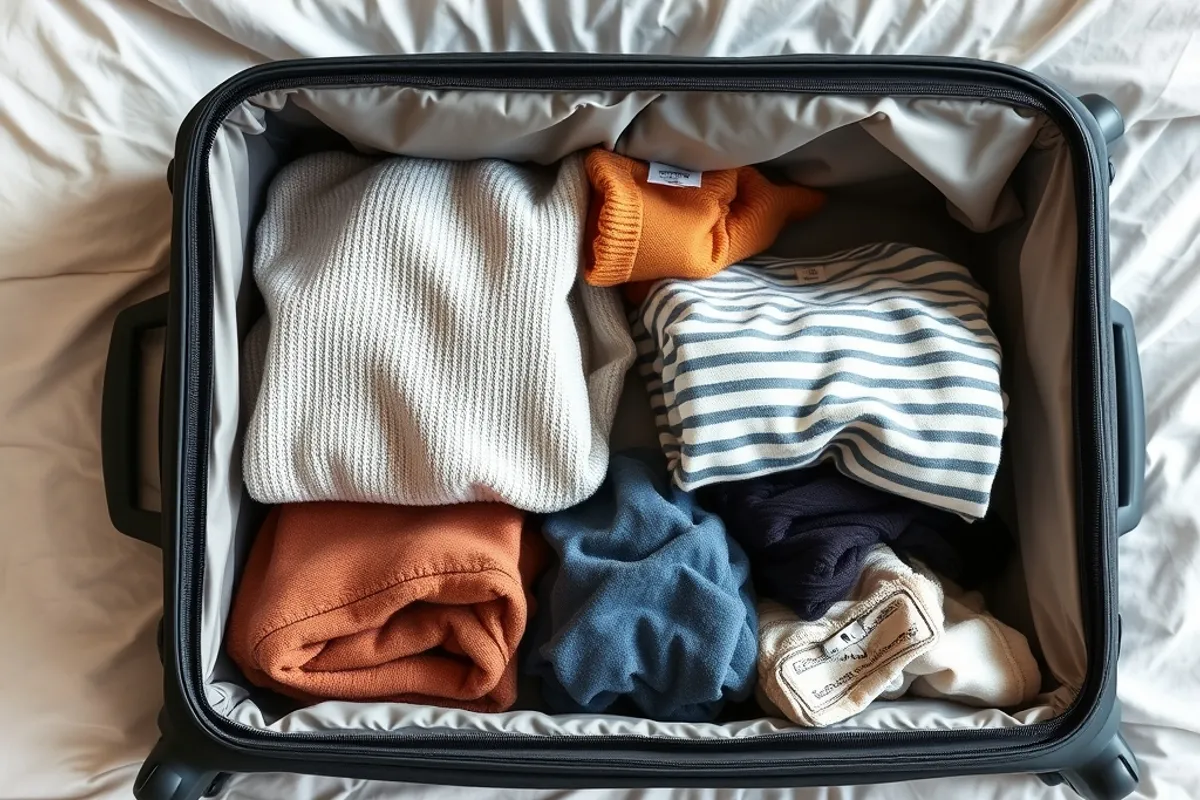
The four sizes at a glance
Here is what each size was good for in practice.
| Size | Holds | Space cost | Verdict |
|---|---|---|---|
| Small flat | Underwear, socks | Very low | Essential |
| Medium | T-shirts, light layers | Low | Essential |
| Large | Jeans, jumpers | Moderate | One only |
| Shoe bag | Shoes, belt | Low | Best value |
| Laundry pouch | Worn clothes | Low | Best value |
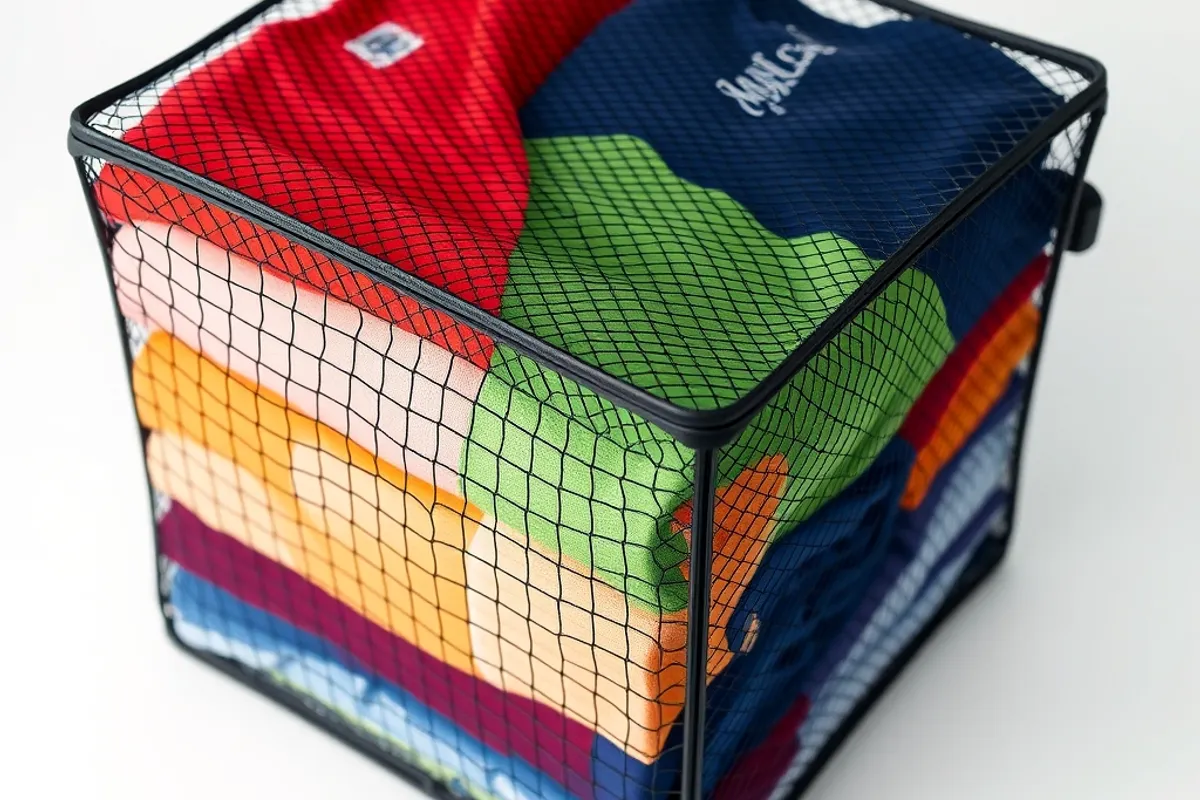
An organiser is only useful if it helps you find something at 6am in a quiet room.
The three-cube system
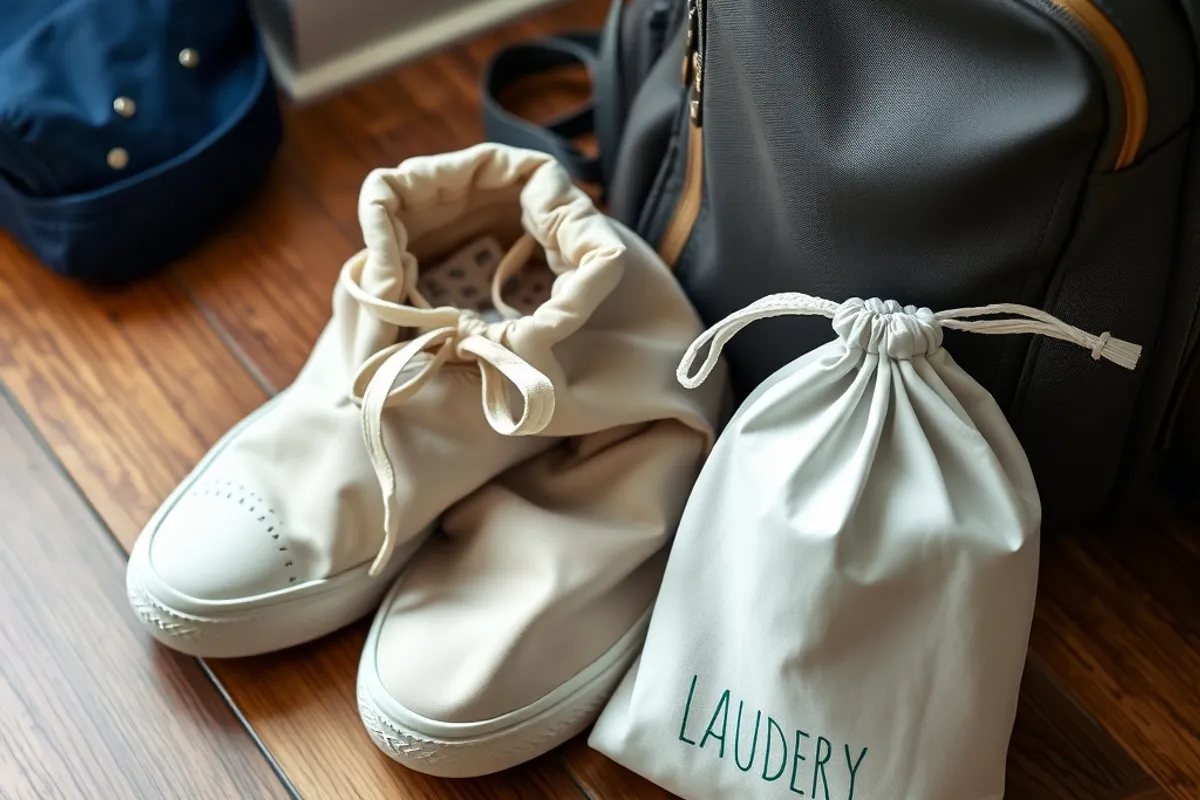
One small flat cube for socks and underwear, one medium for tops, one large for the bulkier layer. That is enough for a week in a cabin bag. Everything else goes in the flat shoe bag or directly into a pocket of the pack.
The win is unpacking. You lift three cubes onto a shelf and you are done. At the end of the trip the worn clothes go in the laundry pouch and never touch the clean stack again.
When compression is worth it
Compression zips work on soft jumpers and t-shirts, cutting roughly a quarter of the volume. They do nothing useful for structured items, and over-compressing a jacket leaves it creased for the whole trip. Use compression on one cube only, and leave the tops slightly loose.
Five cubes helped on a three-week trip but were overkill for a weekend. For short breaks, our two-day plan assumes a single small bag.
Materials and details
Mesh panels let you see what is inside, which is worth more than a colour label. A zip that runs the full length of three sides makes packing much easier than a top-loading design. Avoid rigid folders in a soft backpack; they fight the shape of the bag.
Washable fabric matters more than price. A cheap cube that holds odour after one trip is not a saving.
A ten-minute pack
Lay the cubes out empty, put shoes in the shoe bag, then fill the large cube with bulk and the medium with tops. Roll the small flat cube and slide it against the back panel. Keep the laundry pouch empty until the journey home.
Do a dry run the night before a trip. If you can close the bag while standing, you can close it on a station platform too. For the rest of the route, see our coastal village guide.