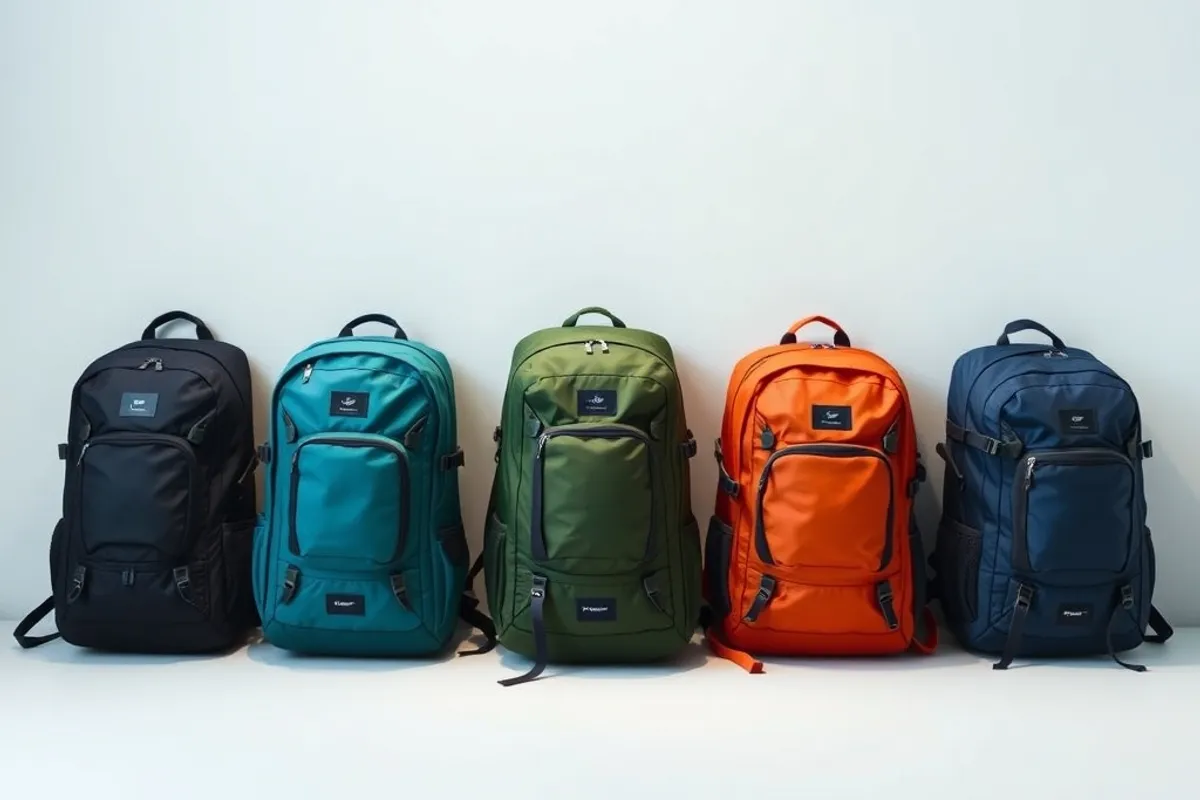
How a pack survives real travel
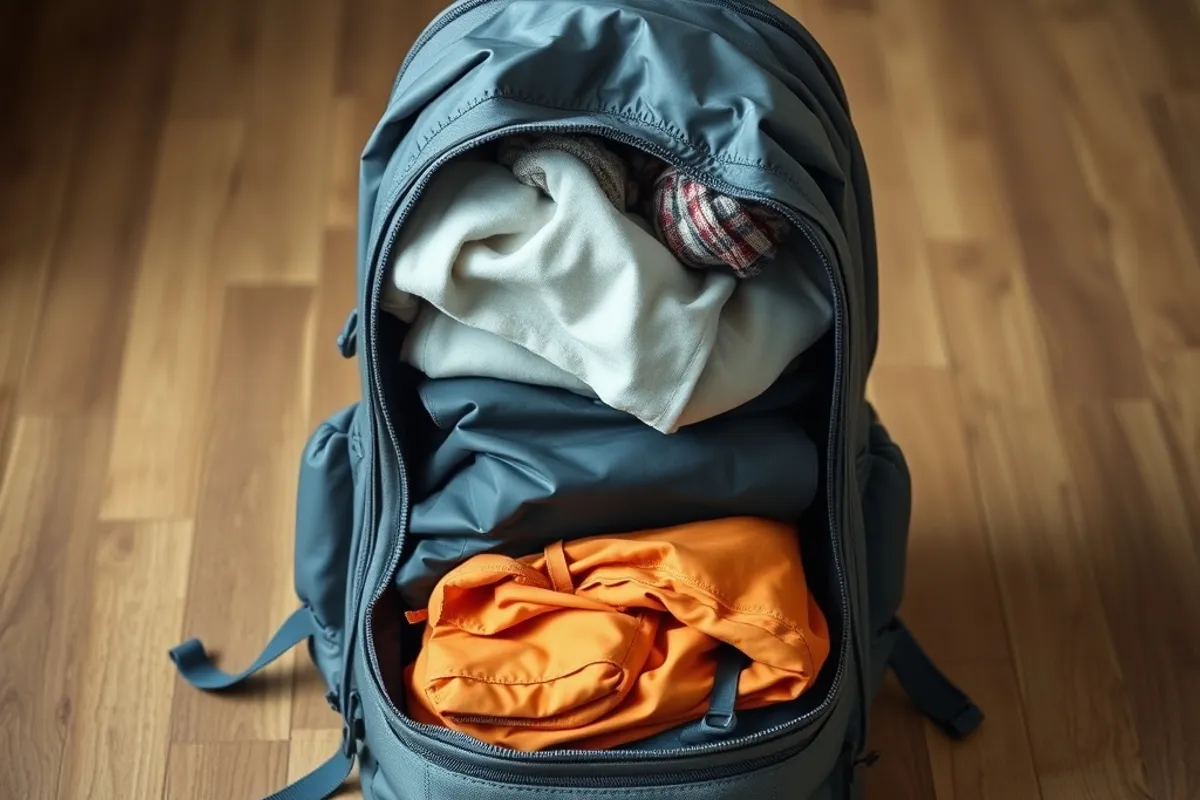
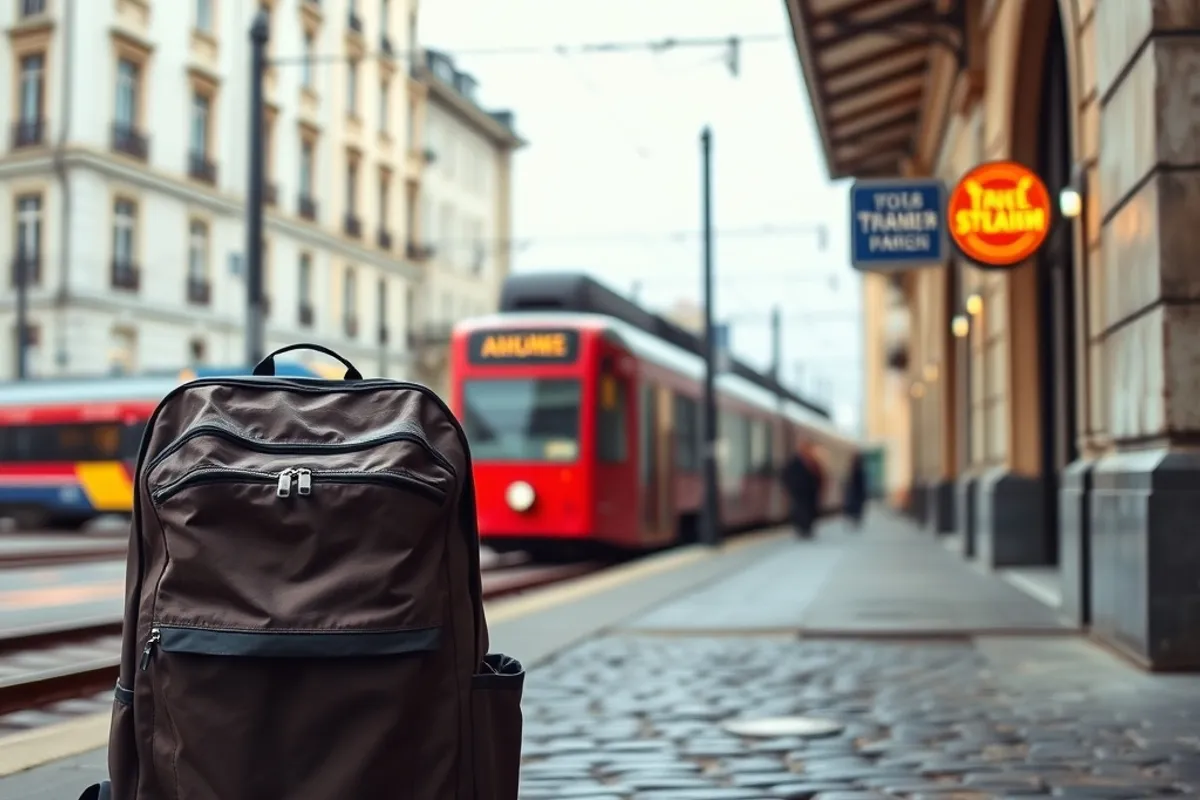
A backpack that looks good in a studio can still fail on a wet platform or under an airline sizer. We carried all seven on two trips each, loaded them with the same kit, and noted where the weight sat after an hour of walking. We measured the stuffed dimensions, not the empty ones.
None of these packs were supplied by a brand. If you are still choosing a destination for the test, our Georgia route is the hardest on gear.
What we measured
We recorded the empty weight, the loaded weight, the packed dimensions and the time it took to get a passport and a rain shell out without unpacking. We also counted the days before the shoulder straps started to hurt.
Cabin rules vary by airline, so we tested against the smaller common limit rather than the most generous one. That is the honest way to recommend a carry-on.
The seven packs at a glance
The table is the short comparison. The verdict reflects value as well as comfort.
| Capacity | Empty weight | Price | Verdict |
|---|---|---|---|
| 22 L | 0.8 kg | 85 EUR | Best short break |
| 26 L | 1.0 kg | 110 EUR | Best overall |
| 28 L | 1.3 kg | 145 EUR | Best for cameras |
| 32 L | 1.5 kg | 160 EUR | Best long trip |
| 34 L | 1.7 kg | 185 EUR | Good, heavy |
| 36 L | 1.9 kg | 210 EUR | Too big for some sizers |
| 38 L | 2.0 kg | 195 EUR | Checked bag only |
The best pack is the one you stop thinking about after the first hour.
The three we would buy again
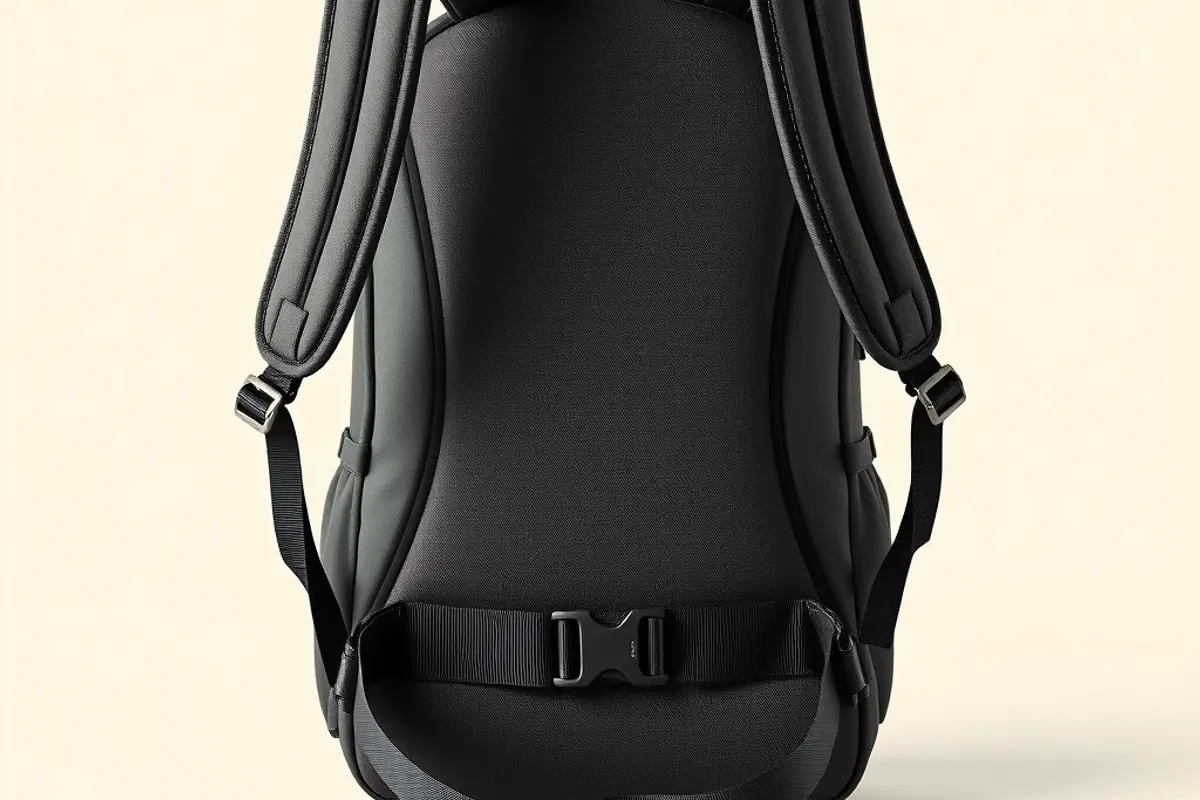
The 26 litre pack is the best overall. It fits under the seat on most aircraft, has a padded laptop sleeve that doubles as a frame, and carries nine kilos without the straps digging in. The 22 litre version is the short-break pick: smaller, lighter and easier on a train platform.
The 32 litre pack earned its place on a three-week trip. It needs a hip belt to work, but once adjusted it moves the load off your shoulders. It just fits a strict sizer when packed soft rather than stuffed full.
The four with compromises
The 28 litre pack is well made and ideal if you carry a camera, but the divider eats space and the price is high. The 34 litre is comfortable and durable, yet the empty weight is already a third of a kilo more than the 32.
The 36 litre pack is excellent on the road and too tall for some cabin gauges. The 38 litre is a good checked bag and nothing more. Neither belongs in a carry-on comparison, which is why they rank last here.
Fit matters more than features
Try a pack on with the weight you actually carry. A padded back panel does not help if the hip belt sits on your hip bones rather than around them. Adjust the straps while the pack is loaded, and walk up a flight of stairs before you buy.
Look for one lid pocket you can reach on a train and a side pocket that fits a water bottle. Ten small pockets slow you down; two useful ones save time. Our carry-on organiser guide covers what goes inside.
A simple buying rule
Choose the smallest pack that holds your kit for the longest trip you take, then test it fully loaded at home. If it passes a sizer and an hour of walking, stop shopping. The gear market rewards endless comparison; the road does not.
For the rest of the kit, including the layers that work in spring cities, see our spring break guide.