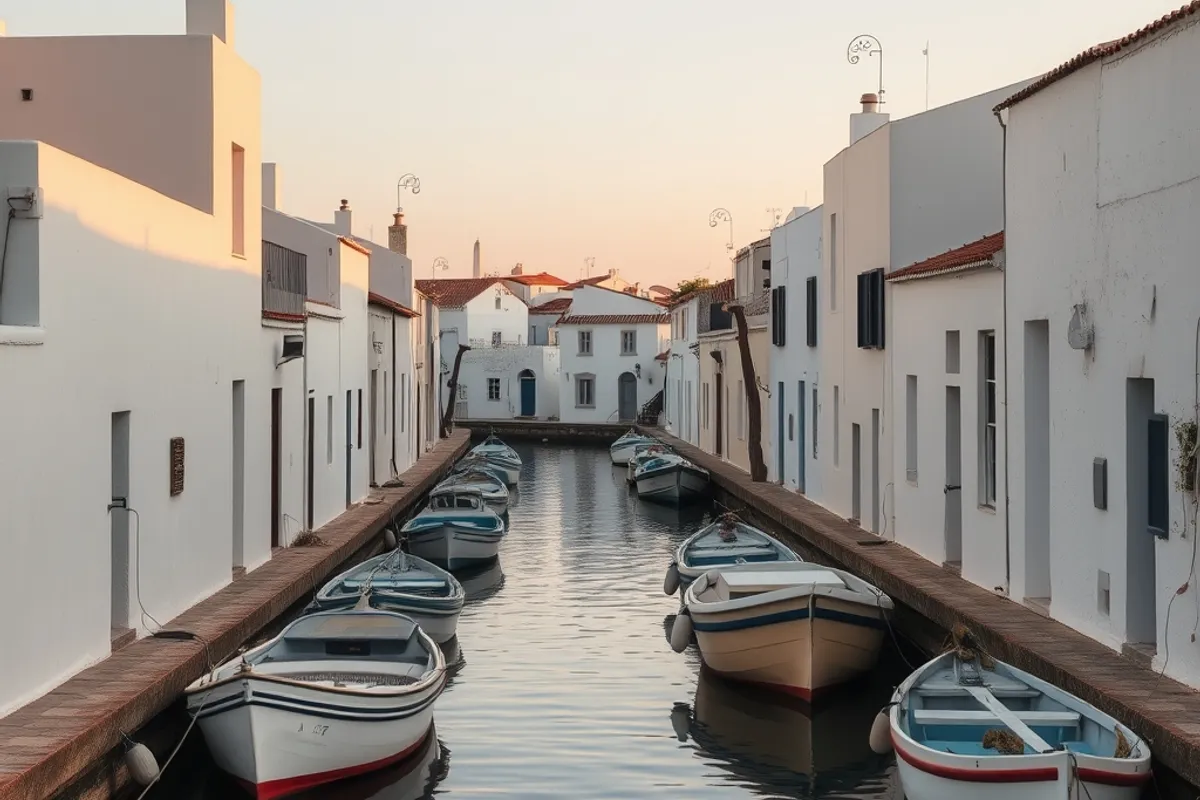
Why the small coast is worth the detour
Portugal's big resorts get the flights, but the villages along the edge keep the rhythm that made the country famous in the first place. Nets repaired on the quay, tiled houses above the harbour, and a lunch menu that changes with the catch. You can still find all of it if you are willing to drive the last twenty kilometres.
The seven stops below are not hidden. Most appear on regional tourism maps, and bodies such as UN Tourism track the pressure on coastal areas. What makes them quiet is timing: go in May or September and the same street feels like a different place. For the wider cost picture, see our Portugal daily cost guide.
How we picked these seven
We looked for villages with a working harbour or a real fishing fleet, a bus link that a visitor can actually use, and accommodation priced for an ordinary budget. We skipped places where the centre is now a row of souvenir shops and checked room rates against local tourist office listings rather than booking portals alone.
Each stop works for two or three nights. That is long enough to learn the bakery and short enough to keep the trip moving along the coast.
The seven villages at a glance
This table is the short version. Costs are for two people sharing a simple room and eating one meal out, before flights and car hire.
| Village | Region | Best months | Daily cost (2 people) |
|---|---|---|---|
| Salir | Algarve | April to June, September | 85 to 120 EUR |
| Alves do Sul | Alentejo coast | May, June, September | 75 to 105 EUR |
| Comporta | Setubal | May, June, September | 110 to 150 EUR |
| Baleal | Setubal peninsula | April to June | 90 to 130 EUR |
| Nazare | Leiria | May, September | 90 to 125 EUR |
| Aveiro waterways | Central coast | May to September | 80 to 115 EUR |
| Vila do Conde | Porto coast | June to September | 85 to 120 EUR |
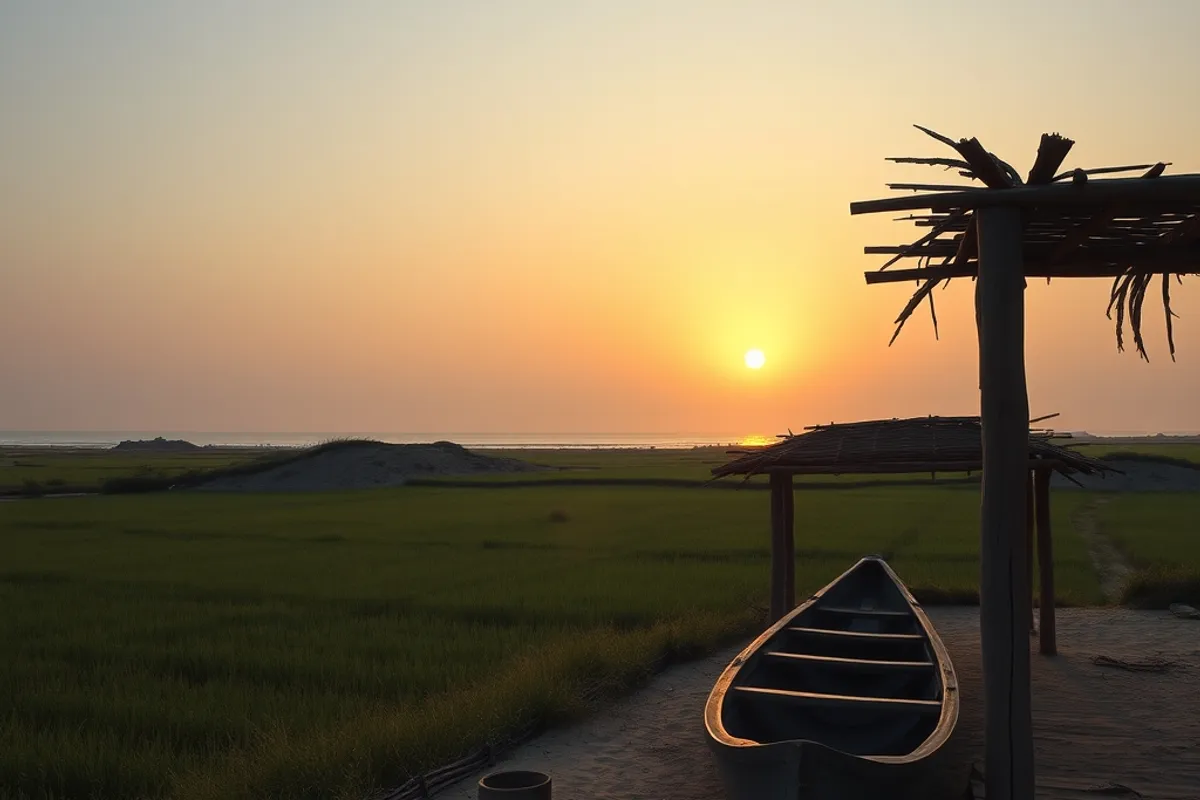
The best Portuguese coast is the one where the boats still leave before the cafes open.
Algarve and Alentejo: the quiet end of the south
Salir sits on an island at the mouth of the Gilao river. The boats are still moored along the narrow lane, and at low tide you can walk out to the sand without crossing a resort car park. Stay in Tavira on the mainland and take the small ferry across for the day; it keeps the prices sane.
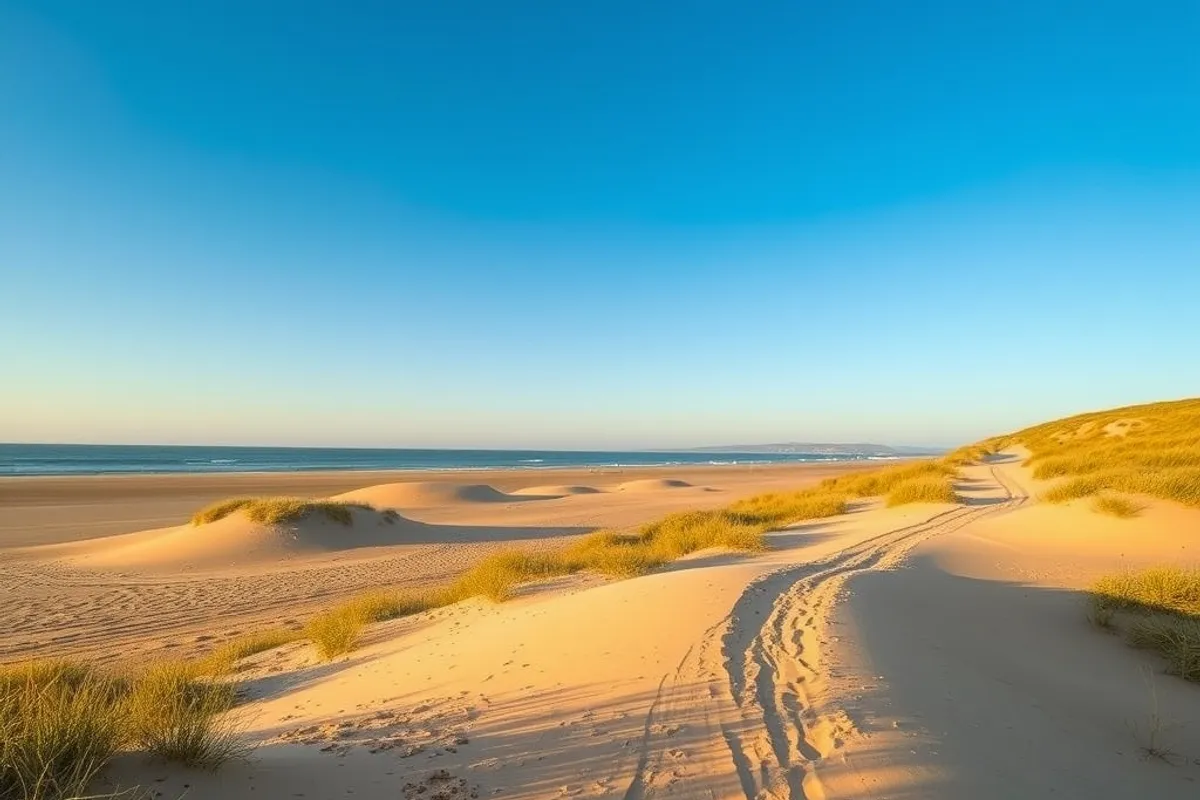
Further north, Alves do Sul is a whitewashed village with no beach at all, just a long empty Atlantic shore reached by a dirt track. It is the cheapest stop on this list and the one most likely to stay quiet. Bring food, because the shop closes early outside summer.
Setubal, Baleal and Nazare
Comporta has become fashionable, and the price reflects it. Even so, the rice fields behind the dunes and the wooden boat shelters make it worth a night if you accept a smaller room. Baleal, on the peninsula further north, is better value and has surf schools that rent boards by the hour.
Nazare is famous for giant waves and for the old town above the harbour. Skip the cliff-top viewpoint at midday and walk the lower streets in the evening, when the fishing boats come in. September is the sweet spot: warm water, fewer coach parties.
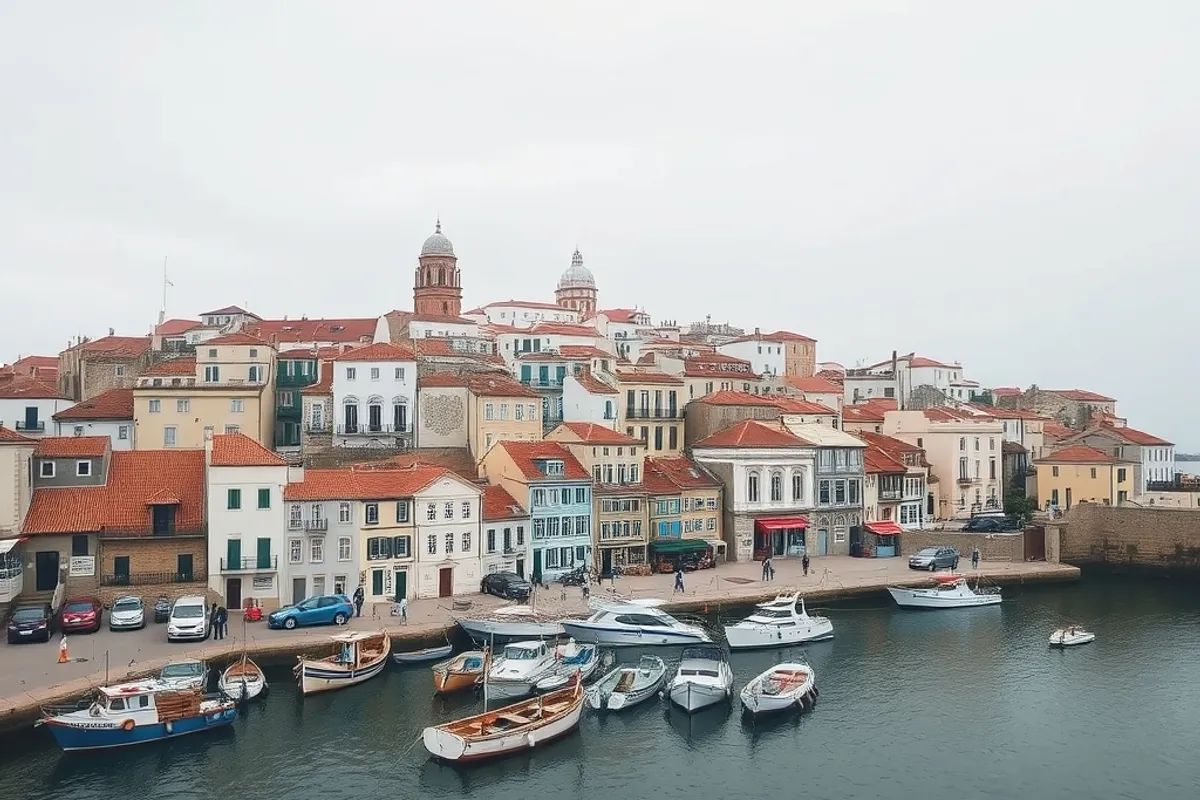
The central and northern coast
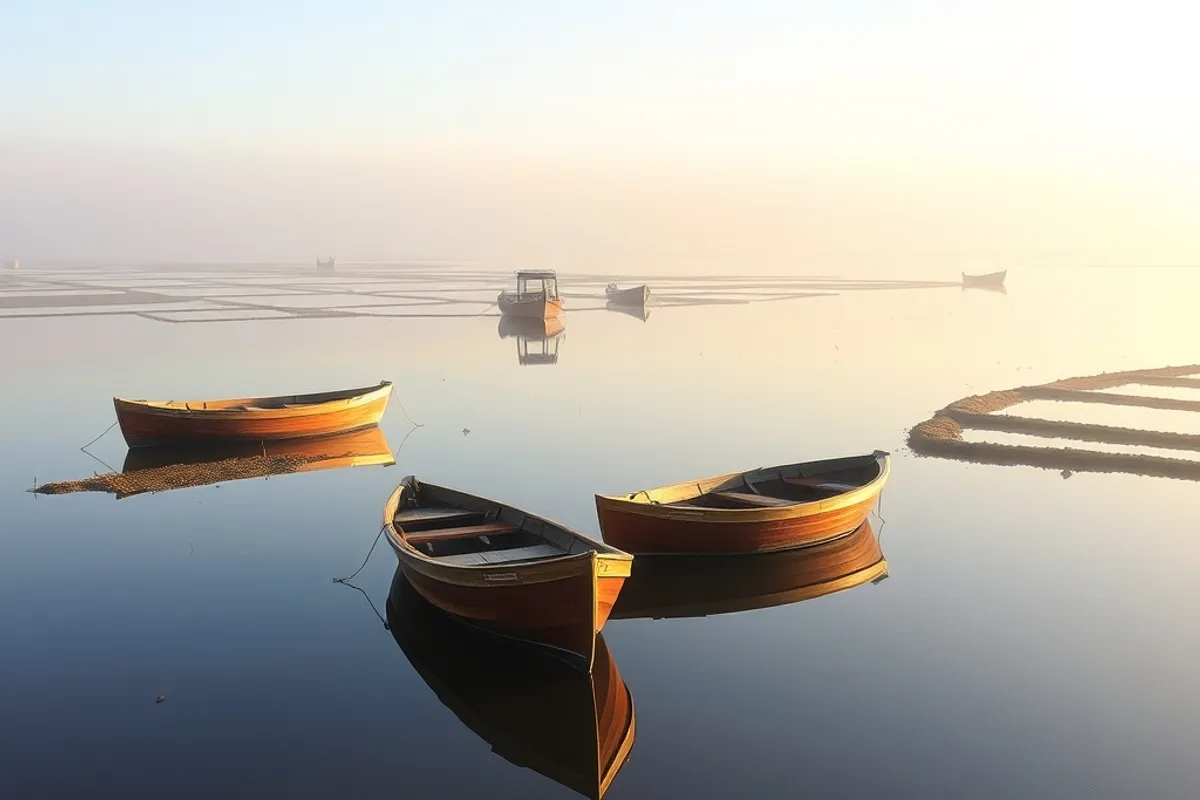
The Ria de Aveiro is a lagoon rather than a beach, with salt pans, narrow boats and a slow train that runs along the water. Base in Aveiro town and take a small boat trip from the canal rather than booking a packaged tour.
Vila do Conde, north of Porto, is a working town with a shipyard tradition and a long beach that empties after dinner. It makes a calm final night before flying out of Porto. If you have a longer trip, the spring city break guide pairs well with it.
Costs, timing and a simple route
Drive if you want the full chain from Tavira to Vila do Conde; the coast road is slow but the views earn the time. If you stay on public transport, pick three stops rather than seven and use the regional train plus one bus. A mid-range room outside July runs 55 to 90 euros a night for two.
Shoulder months are the whole trick. May and September bring open restaurants, warm water and room rates well below August. Book the first night and the last night, then leave the middle open. The point of a village trip is that you can change it when a boat or a bakery tells you to.