The case for a strict short plan
A two-day city break fails when the list is too long. The train is late, lunch takes ninety minutes, and by four you are crossing town for a museum that closes at five. The fix is not waking up earlier; it is choosing fewer things and grouping them by neighbourhood.
This plan is built from trips to Porto, Bologna and Krakow, but it works in most walkable European cities. For destination ideas, start with our spring city break list.
The night before
Arrive on the afternoon before day one if you can. Check in, walk a two-kilometre loop around your hotel, buy water and find the nearest bakery. That loop tells you where the morning light falls and which street to avoid at midnight.
Keep dinner simple and near the room. The first evening is for recovering, not for a booking you have to queue for.

Day one morning: the old centre
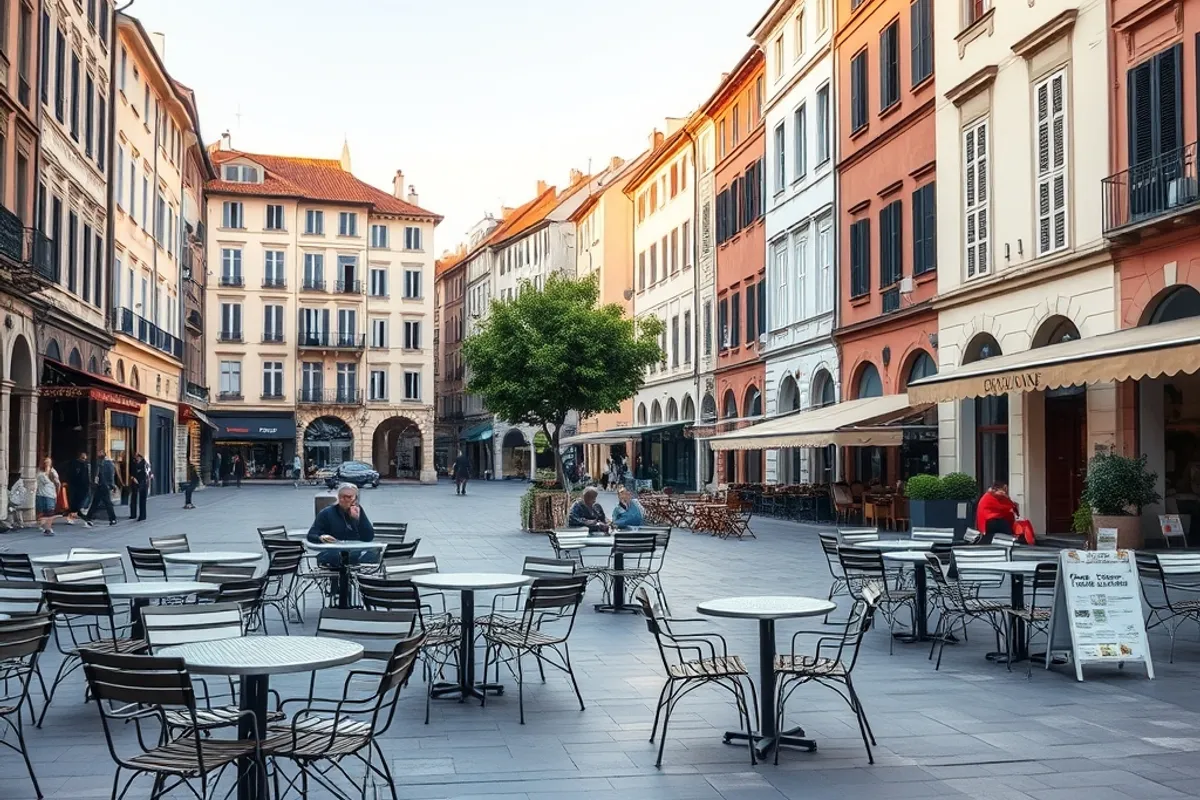
Start at seven thirty with coffee and a pastry in the neighbourhood bakery, not the hotel unless breakfast is genuinely good. Walk the old centre before the tour groups arrive. One paid attraction is enough: choose the one with a short queue and a clear reason to go inside.
By eleven, sit down. A short break needs at least one unplanned cafe hour, or it becomes a checklist. Use that hour to decide whether the afternoon stays in the same area or moves on.
Two days is enough if you stop trying to see everything.
Day one afternoon: river, market or park
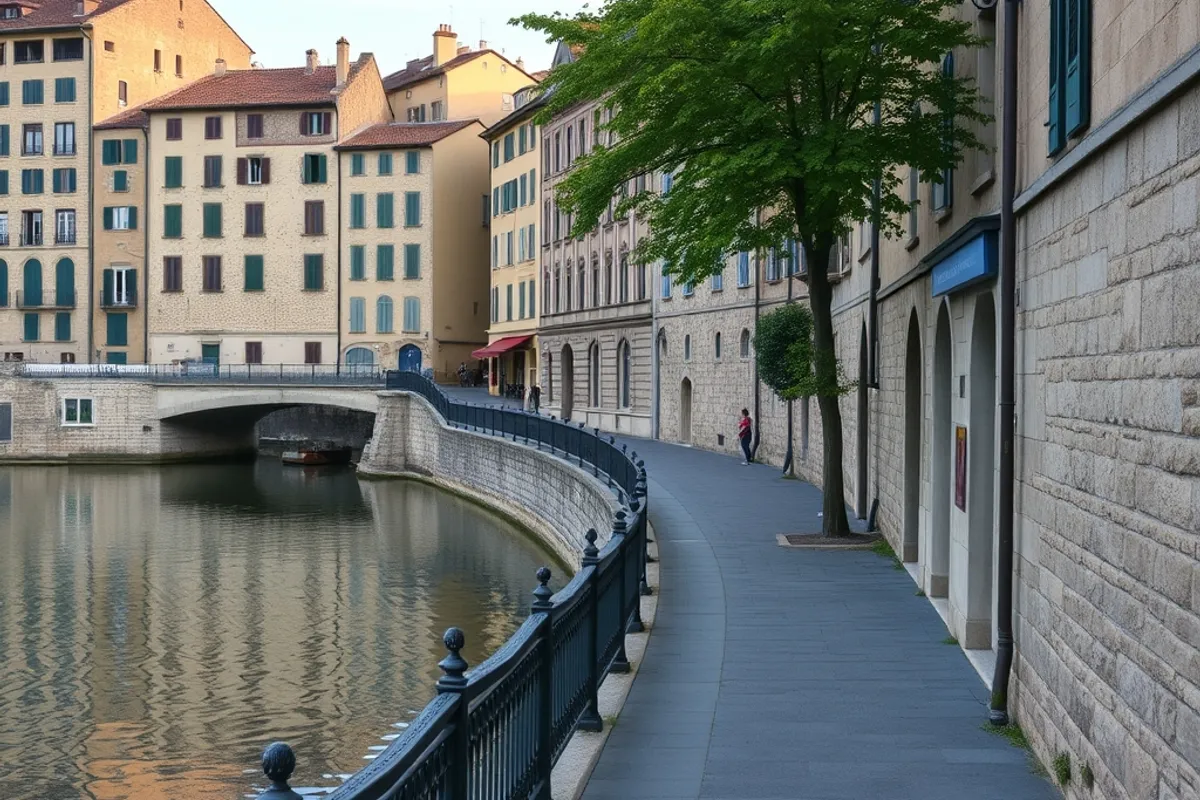
Pick one slow feature: a river walk, a covered market or a park. They cost nothing, they work in any weather, and they give the day a shape without a timetable. In Porto it is the bridge; in Krakow it is the river path from Kazimierz.
Lunch should be close to wherever you ended up. Do not cross town for a highly rated restaurant unless you have a reservation and a reason.
Day two: one neighbourhood, one meal, one decision
Spend the whole morning in a second neighbourhood. Take the tram or metro once, then stay on foot. Book the one meal you care about for early afternoon, when prices are often lower and tables are easier to get.
Leave the last two hours empty. That is when the best part of a short trip happens: a shop you did not plan to enter, a street you walk twice, or simply a bench. If you fill it, you will go home tired rather than satisfied.
What it costs
For two people, a simple room runs 70 to 140 euros a night in spring. Two lunches, one dinner and local transport add 60 to 110. A paid attraction per person is usually 10 to 25. That puts a realistic two-day break near 230 to 380 euros before flights.
Book the room six to nine weeks out and compare the flexible rate with a booking site once. For cheaper movement between cities, use our train strategy; for what to carry, see the carry-on organiser guide.

Common mistakes
The three we keep making: a hotel too far from the centre, a dinner reservation at eight on a night we arrive late, and a museum booked on the only sunny afternoon. Fix those and a two-day break feels longer than it is.
Write the plan on one line, not a spreadsheet: old centre, slow feature, second neighbourhood, empty hour. Everything else is optional.