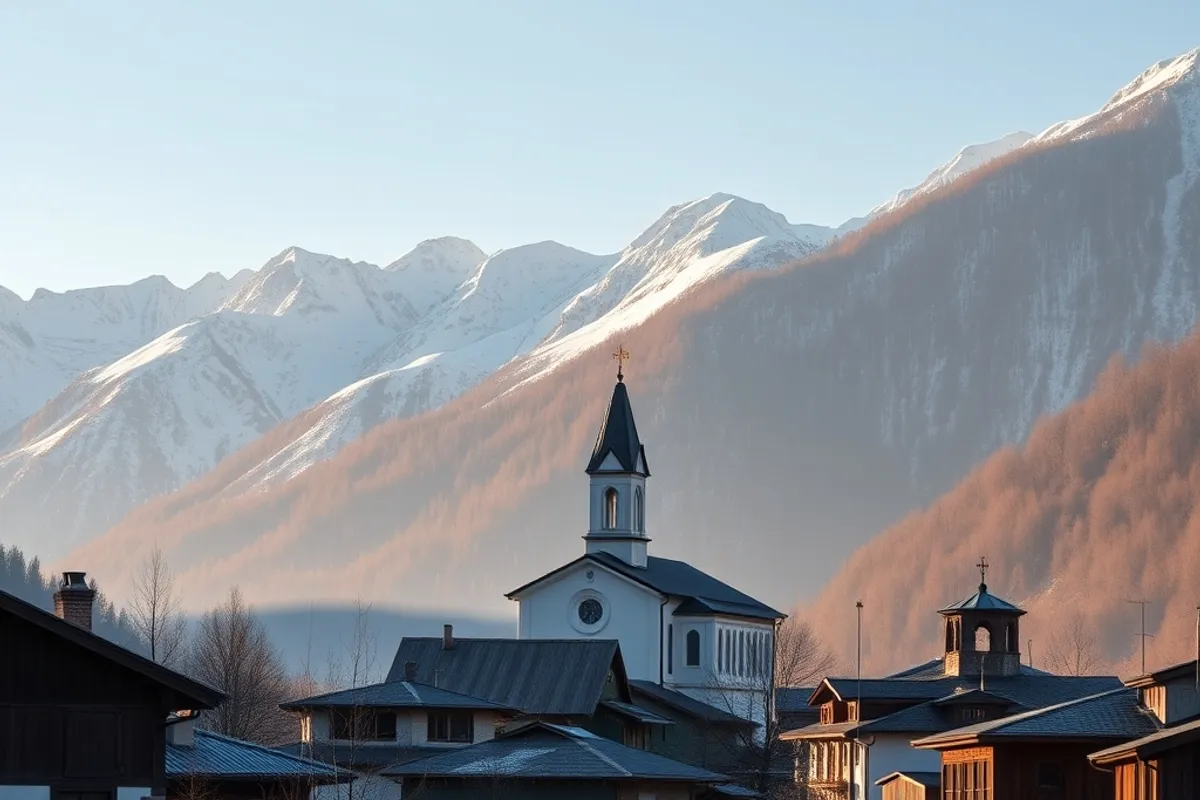
Why Georgia rewards a slow trip
Most visitors land in Tbilisi, take one day trip to the mountains and leave with a very partial picture. Georgia's real pleasure is the change of pace between the wine roads of the lowlands and the tower houses of the high Caucasus. National tourism bodies list the main routes, and UN Tourism tracks how the busiest regions are coping, but the timetables are best checked locally.
Public transport reaches almost every valley. The trick is to plan around the few departures rather than against them. Two or three bases, held for three nights each, turn a difficult route into a calm one.
Getting around without a rigid plan
Marshrutkas leave when full, not when the clock says so. Ask your guesthouse the night before, carry small notes for the fare, and never assume the last bus waits. A rented car is worth it for the Shatili road and for the stretches above Mestia, but it is not needed for the Tbilisi to Kutaisi leg, where the train is cheaper and easier.
Cash matters in the villages. Cards work in Tbilisi and Mestia, but smaller guesthouses and roadside cafes often take only lari. For the gear side of a trip like this, see our backpack tests.
Kazbegi: the first mountain night
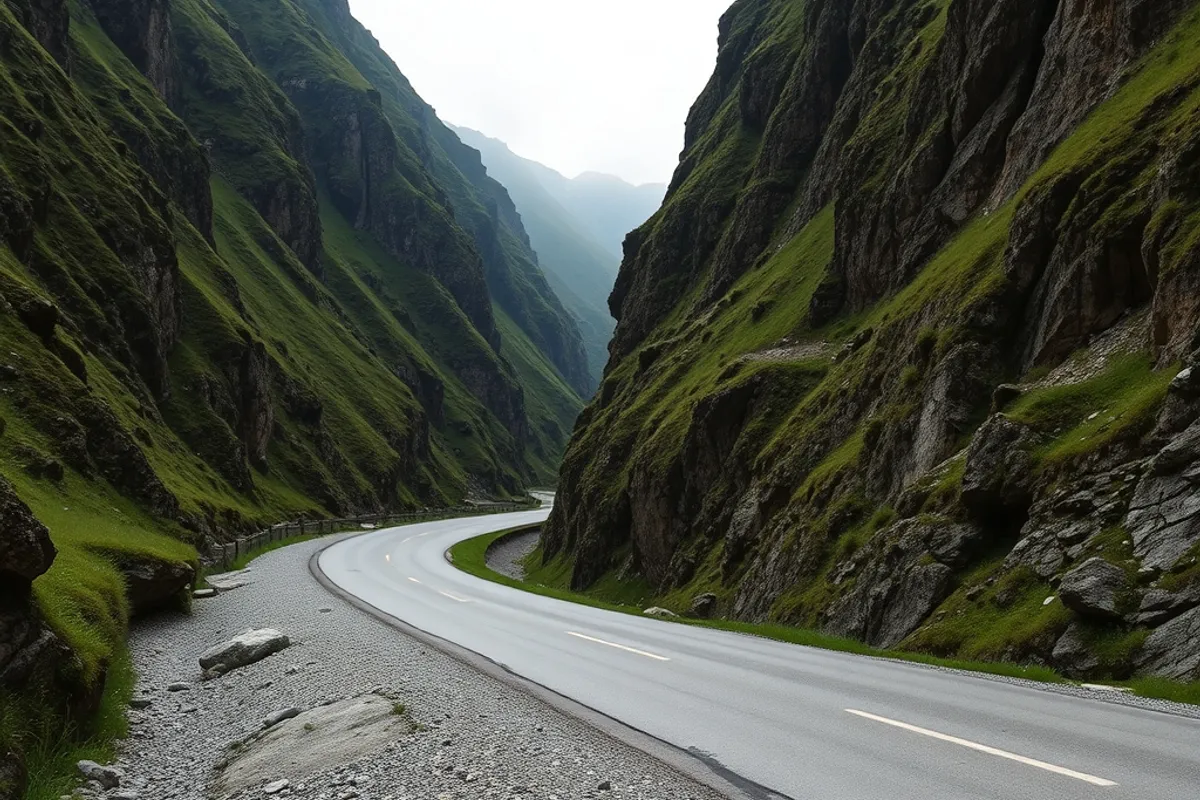
The road from Tbilisi to Stepantsminda climbs through the Dariali gorge and is one of the great bus rides in Europe. Stay two nights in Stepantsminda, walk up to the Gergeti church in the early morning, and spend the afternoon in a family house rather than a tour mini-van. The view is the same; the day feels very different.
Room rates here have risen, so book a guesthouse with dinner included. It saves a restaurant bill and gives you a reason to stay in when the weather turns.
In the Caucasus, the road is part of the visit. Rushing it means missing most of the country.
Shatili and the upper Khevsureti
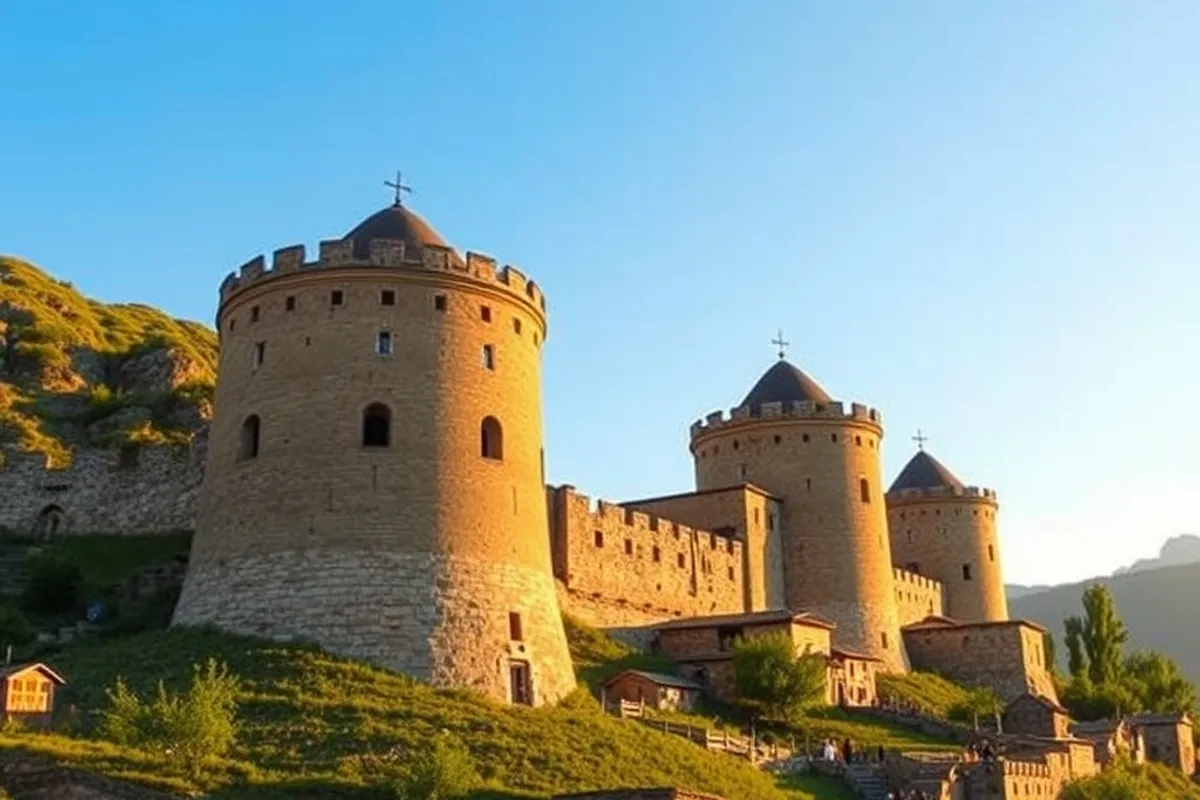
Shatili is a fortified village of stone towers against the Russian border, reached by a rough road that takes the better part of a day from Kazbegi. It is the most remote stop on this route and the one that most rewards patience. Go with a local driver, carry food and water, and plan at least two nights so the journey is not the whole trip.
The nearby village of Mutso is a day walk for anyone comfortable on loose stone. If the road is closed, do not force it; the Georgian military road offers other valleys with fewer barriers to reach.
Mestia and Svaneti
Svaneti is the part of Georgia people photograph. The medieval tower houses of Mestia and the surrounding villages sit under glaciers, and the walking between them is excellent. Base in Mestia for three nights, then take a bus or car to Ushguli if the pass is open. Ushguli is high, cold and unforgettable, with a handful of guesthouses and almost no nightlife.
Flight connections from Tbilisi to Mestia save a full day but cost more and cancel often in bad weather. The overnight train to Kutaisi followed by a bus is slower and far cheaper.
Kutaisi and the wine roads
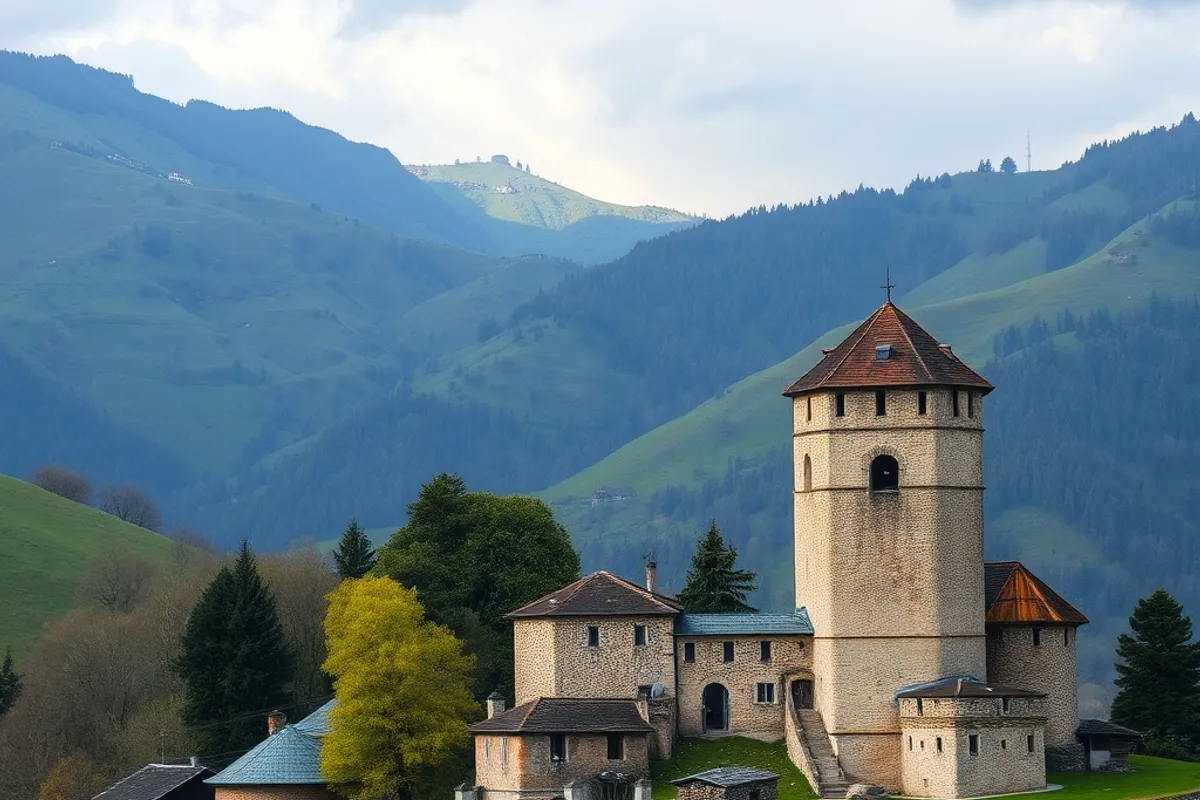
Kutaisi is the sane place to end. It has a walkable centre, a good market and trains back to Tbilisi. From here you can spend a day in the limestone caves at Prometheus or head into the wine villages of Kakheti for a completely different landscape of low hills and long tables.
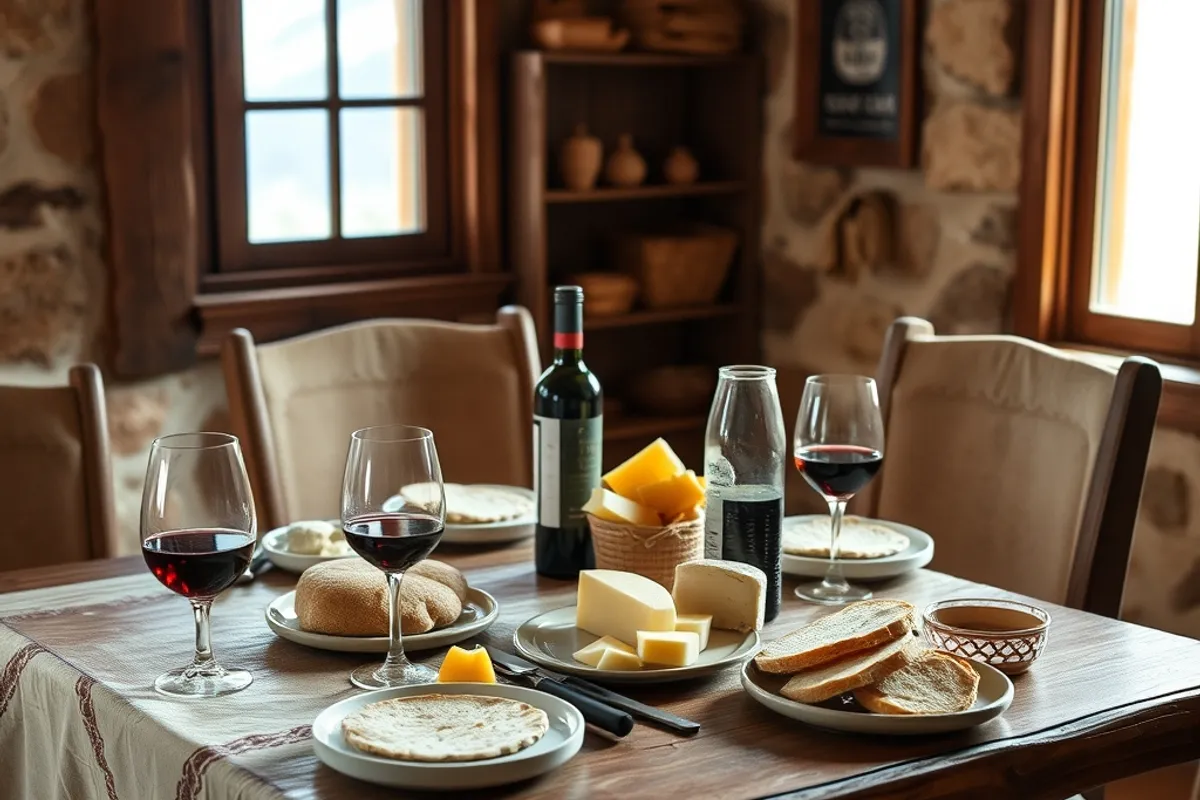
Tastings are informal and generous. Take a shared taxi between villages, ask before you photograph a cellar, and buy a bottle from the family you visited rather than from a shop in the city.
Budget, season and the small rules
A comfortable day in the mountains, with a guesthouse bed, dinner, a marshrutka and a simple lunch, runs from about 45 to 80 euros for one person. In Tbilisi and Kutaisi it drops to 25 to 45. Cars add roughly 35 to 60 euros a day including fuel.
June to September gives the longest trails; October is quieter and cheaper but the light fades early. Invitations to a table are common and sincere, but they come with customs: remove your shoes, accept the first glass, and never rush a goodbye. Slow travel here is less about the itinerary and more about letting the valley set the clock.